

Facade sandwich panels
Facade sandwich panels are a specialized building material designed for finishing and finishing the facades of buildings.
Facade sandwich panels consist of two metal or composite facing layers, between which a heat-insulating filler is located. This filler can be made from various materials such as mineral wool, polyurethane (PUR), polyisocyanurate (PIR) or others.
Facade sandwich panels have several important advantages, including a high level of thermal insulation, sound insulation and fire resistance. They are also very light and strong, making them an excellent choice for renovation and insulation of building facades. Facade sandwich panels are very popular in modern construction due to their ecological and efficient characteristics. They are also available in a variety of colors and designs, allowing you to create aesthetically pleasing building facades.
Facade sandwich panels are a reliable choice for your construction
Provide effective thermal insulation, high strength and sound insulation. Choose sandwich panels for your project and get reliable results.

Facade sandwich panels have a variety of technical characteristics that make them an important building material for exterior decoration of buildings
Facade sandwich panels have a variety of technical characteristics that make them an important building material for exterior decoration of buildings. Key features include:
Thermal insulation: Facade sandwich panels provide a high level of thermal insulation thanks to PIR (polyisocyanurate foam) insulation, which helps to keep the room warm and reduces heating costs.
Sound insulation system: They also improve the sound insulation of the facility, which creates more comfortable working and leisure conditions inside the building.
Ventilation system: Facade sandwich panels improve the ventilation of the facade, allowing the building to "breathe" and prevent condensation.
Wind load protection: They also protect the building from the effects of wind loads and ensure the durability of the facade.
Material and structure: Facade sandwich panels have internal and external metal sheathing, which provides weather resistance. The PIR thermal insulation filler gives them a high thermal efficiency.
Type of profiling: Panels are available with various types of profiling, such as V-shaped recess, trapezoid, micro-profiling, which allows you to choose the best option for a specific project.
Panel length: The maximum length of facade sandwich panels usually reaches 12500 mm, which allows them to be installed on any objects without difficulties.
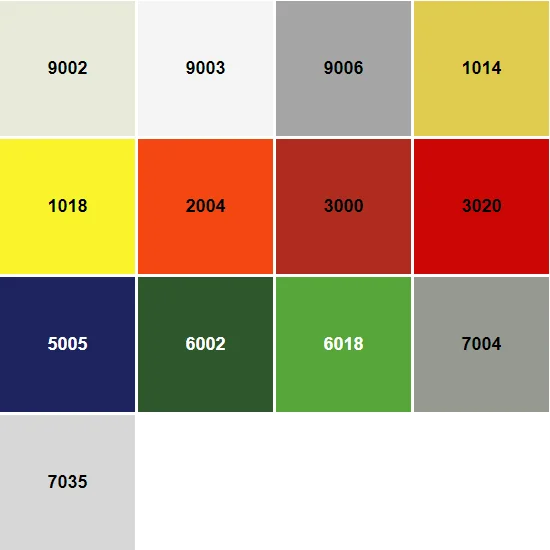
Colour: Customers can choose from a wide range of basic and optional colors, including a selection from the RAL catalog.
These characteristics make facade sandwich panels an effective and functional material for exterior decoration of buildings.

Advantages of facade sandwich panels
Facade sandwich panels have numerous advantages, such as improving the sound insulation and thermal insulation of the object, protection from wind loads and improving the aesthetic characteristics of the construction site. Facade sandwich panels are mounted using steel fasteners treated with zinc coating.
The main advantages of sandwich panels for exterior decoration are:
- Improvement of sound insulation and thermal insulation of the facility, which leads to lower heating costs during the cold season.
- Improved ventilation of the facade and protection from wind loads.
- The ability to choose different colors and types of profiling for aesthetic design.
Facade sandwich panels have a structure that includes an internal and external covering made of metal and a heat-insulating filler made of PIR (polyisocyanurate foam) material.
Facade sandwich panels have high strength and excellent thermal insulation properties.
Facade sandwich panels have high strength and excellent thermal insulation properties.